How to Choose the Right Wood for Outdoor Furniture
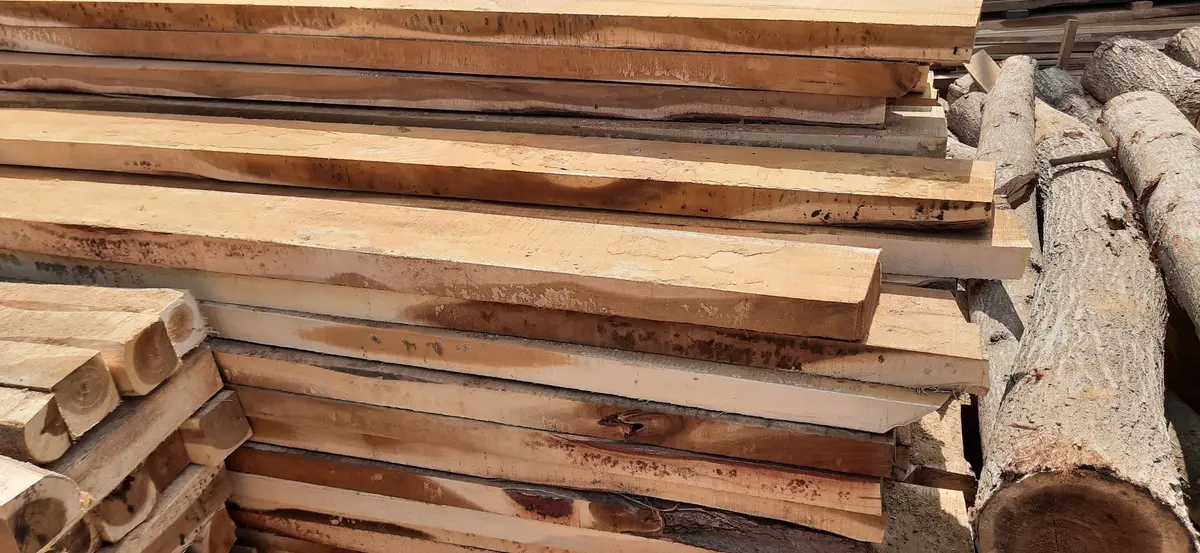
Outdoor furniture faces a brutal gauntlet: relentless UV rays, pouring rain, freezing winters, and hungry insects. Choosing the wrong wood for a patio set or garden bench guarantees failure within a season or two. When manufacturing for the outdoors, Mother Nature is your strictest quality inspector.
The Gold Standard: Teak
Teak (Tectona grandis) is universally recognized as the king of outdoor woods. Its secret lies in its incredibly high natural oil and rubber content. These oils act as built-in waterproofing and insect repellent, meaning Teak can sit outdoors year-round for decades without rotting, even if left completely unfinished. Over time, it weathers to a beautiful silvery-gray.
However, Teak is expensive. For manufacturers looking to hit more accessible price points without sacrificing durability, there is a powerful alternative.
The Smart Alternative: Acacia Wood
Acacia (Akashiya) has surged in popularity for outdoor furniture, and for good reason. It is exceptionally dense—even harder than Teak (1,750 lbf vs. ~1,000 lbf on the Janka scale). This density makes it highly resistant to scratches and dents from daily outdoor use.
Like Teak, Acacia contains natural oils that provide substantial water and rot resistance. While it requires slightly more maintenance than Teak (an annual coat of protective oil is recommended), its lower price point makes it the top choice for mass-market export patio furniture.
What About Sheesham and Mango Wood?
Sheesham is highly durable and naturally resistant to dry-wood termites, making it suitable for covered patios or verandas. However, for fully exposed outdoor environments, it requires rigorous protective finishing.
Mango Wood is strictly for indoor use. Its lower density and porous grain make it susceptible to rot and fungal attack if left in wet outdoor conditions.
The Role of Pressure Treatment
Even naturally durable woods benefit from additional protection. At RK Wood Industries, our outdoor-grade timber undergoes Pressure Impregnation. We force anti-fungal and anti-termite chemicals deep into the wood cells under 10-14 kg/cm² of pressure. This ensures that the protection isn't just on the surface—it penetrates to the core.
If you are manufacturing outdoor furniture for export or domestic markets, explore our bulk Acacia supply or contact us for treated outdoor timber.