Sheesham vs. Mango Wood: Which is Best for Export Furniture?
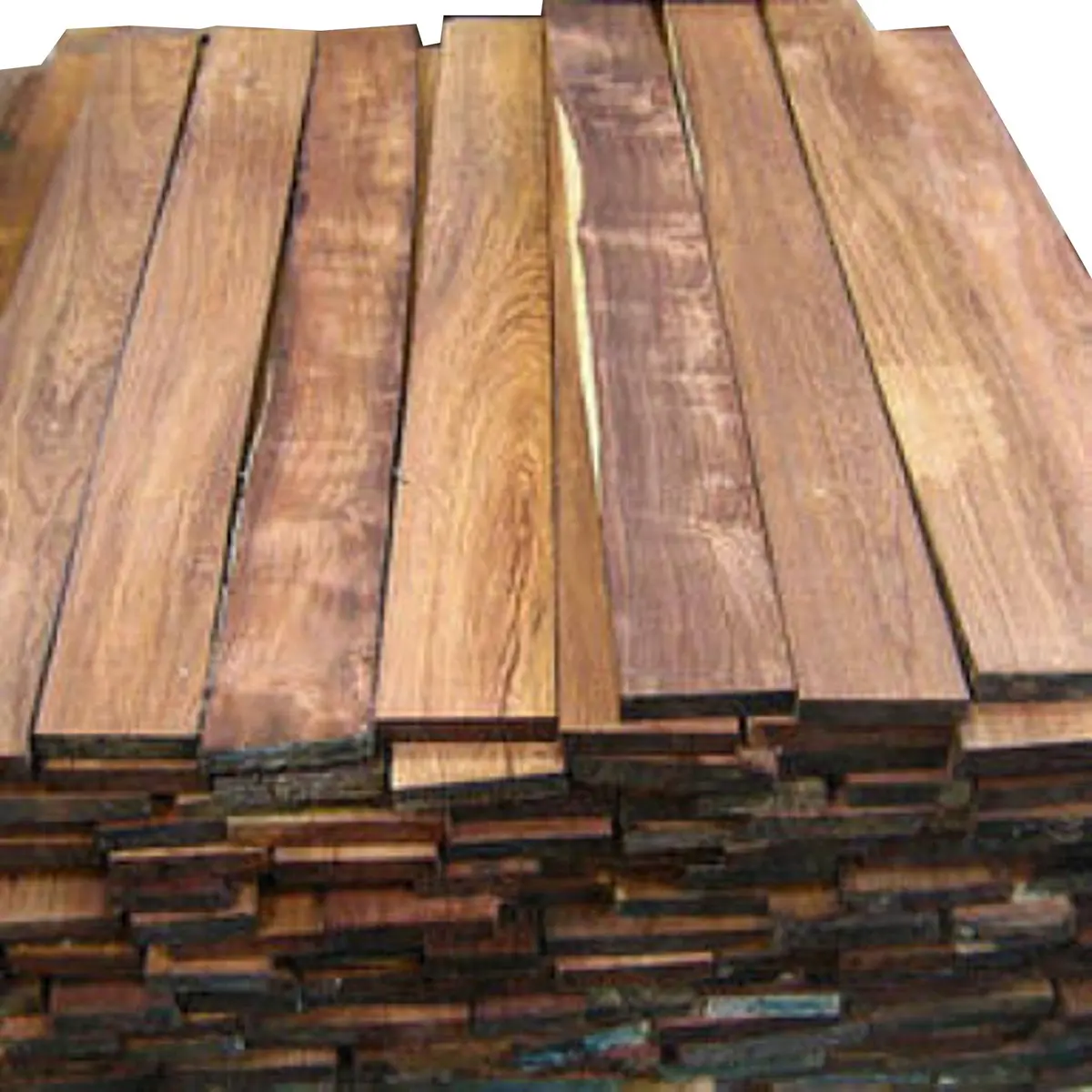
For furniture manufacturers and export houses in India, particularly in the Jodhpur handicraft cluster, choosing the right timber is the most critical decision in the production cycle. The debate almost always narrows down to two dominant species: Sheesham (Indian Rosewood) and Mango Wood.
1. Durability and Hardness (Janka Scale)
When evaluating timber for furniture, the Janka hardness scale is a reliable metric. Sheesham (Dalbergia sissoo) boasts a Janka rating of approximately 1,660 lbf. This makes it an incredibly dense, durable hardwood that resists scratches and dents, ideal for high-use items like dining tables and beds.
Mango Wood (Mangifera indica), on the other hand, sits at roughly 1,070 lbf. While still a categorized hardwood, it is softer than Sheesham. This means it is easier to machine and tool, but slightly more susceptible to wear over decades of heavy use.
2. Aesthetics and Grain Patterns
The visual appeal of these woods caters to different design philosophies:
- Sheesham: Known for its rich, deep reddish-brown tones intertwined with dark streaks. It possesses a classic, premium look that is highly favored in traditional, carved, and luxury solid wood furniture.
- Mango Wood: Features a lighter, golden-brown base with unique "spalted" patterns—dark, kaleidoscope-like streaks caused by natural fungi before harvesting. It takes stain exceptionally well, making it the darling of modern, industrial, and bohemian furniture styles.
3. Sustainability
Sustainability is a major selling point in European and American markets. Mango wood is exceptionally eco-friendly. The timber is harvested only after the tree has completed its fruit-bearing lifespan (usually 15-20 years). Reusing this agricultural byproduct prevents it from being burned or left to rot.
Sheesham is also sustainable when sourced from government-managed plantations, which is strict policy here at RK Wood Industries. However, Mango wood often wins the "eco-friendly" marketing narrative.
4. Cost and Market Positioning
Mango wood is generally more cost-effective due to its abundance and faster growth cycle. If you are manufacturing high-volume, trend-driven furniture for mass-market retailers, Mango is highly profitable.
Sheesham commands a premium price due to its density, longevity, and carving properties. It is suited for heirloom pieces, high-end retail, and intricate handicraft exports where the margin supports premium raw materials.
The Verdict
If your target market demands heavy carving, deep natural finishes, and heirloom durability, Sheesham is unmatched. If you are designing modern, industrial, or eco-conscious furniture at competitive price points, Mango wood is the superior choice.
At RK Wood Industries, we supply both species in bulk, perfectly kiln-dried to 8-12% moisture content, ready for your manufacturing floor.Contact us today for wholesale pricing.